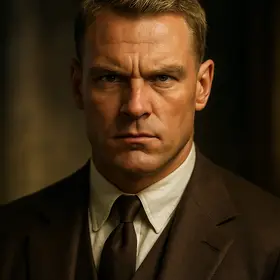
Tom Buchanan in The Great Gatsby
Antagonist
Domineering scion of old money; Daisy’s husband who uses wealth and force to protect his social position.
Who is Tom Buchanan?
Tom Buchanan is a wealthy East Egg aristocrat and Daisy Buchanan’s husband who embodies entrenched privilege and aggression. He wields physical intimidation, status, and money to control others and to defend his marriage and social dominance. From the opening dinner in East Egg he makes aggressive, racially charged remarks and reveals a casual entitlement about maintaining a woman in New York. Tom asserts ownership over Myrtle Wilson during the visit to the valley of ashes, brutalizes her when she taunts Daisy, and flaunts his power in social confrontations. He watches Gatsby with increasing suspicion as Gatsby’s past and relationship with Daisy come into view, openly challenging and denouncing Gatsby during the heated New York confrontation. After Myrtle’s death Tom steers George Wilson toward the belief that Gatsby is responsible, deflecting scrutiny from Daisy and himself. Throughout the novel Tom acts to protect the social order that benefits him, exposing the era’s hypocrisy and moral vacuity without demonstrating remorse for the consequences of his actions.
In the book: A scion of old money and Daisy Buchanan’s domineering husband, Tom represents entrenched privilege and the moral emptiness behind it. A former Yale athlete and avid polo player, he wields wealth, status, and physical intimidation to control those around him. His prejudices and infidelities set much of the novel’s tension in motion, challenging Gatsby’s romantic quest and exposing the era’s hypocrisy without revealing major plot turns.
Personality
- Domineering
- At the Chapter 1 dinner he speaks aggressively and imposes his views on the conversation, setting the tone in the Buchanan household.
- Entitled
- In Chapter II he loudly claims ownership of Myrtle at George Wilson’s garage and insists on taking her to New York, treating people as possessions.
- Violent
- Also in Chapter II he strikes Myrtle, breaking her nose after she taunts him about Daisy.
- Suspicious
- During the Chapter 7 New York confrontation he probes Gatsby’s past and denounces him, revealing growing jealousy and mistrust.
- Manipulative
- After Myrtle’s death (Chapter 7–8) he directs George Wilson toward the belief that Gatsby’s car was involved, shifting blame away from Daisy.
Character arc
Tom’s behavior remains consistent from first to last appearance: he enters as a forceful, confident embodiment of Old Money and leaves having preserved his social position while avoiding accountability. In Chapter 1 he establishes dominance at his home and displays prejudiced pronouncements; in Chapter II his possessiveness and capacity for violence become literal when he physically assaults Myrtle. As Gatsby’s presence and history with Daisy come to light in Chapters 4–6, Tom grows openly hostile and investigative, culminating in the explosive confrontation in Chapter 7 where he challenges Gatsby and reveals his determination to protect Daisy and his status. After the car accident that kills Myrtle, Tom acts quickly to redirect George Wilson’s grief into a conviction that Gatsby is culpable; he neither seeks justice nor expresses remorse. In Chapter 9 he meets Nick one last time; the encounter confirms that Tom has successfully shielded himself and Daisy from consequences. Tom ends the novel morally untroubled and socially intact, his power intact while others — Gatsby, Myrtle, and eventually Wilson — suffer the costs.
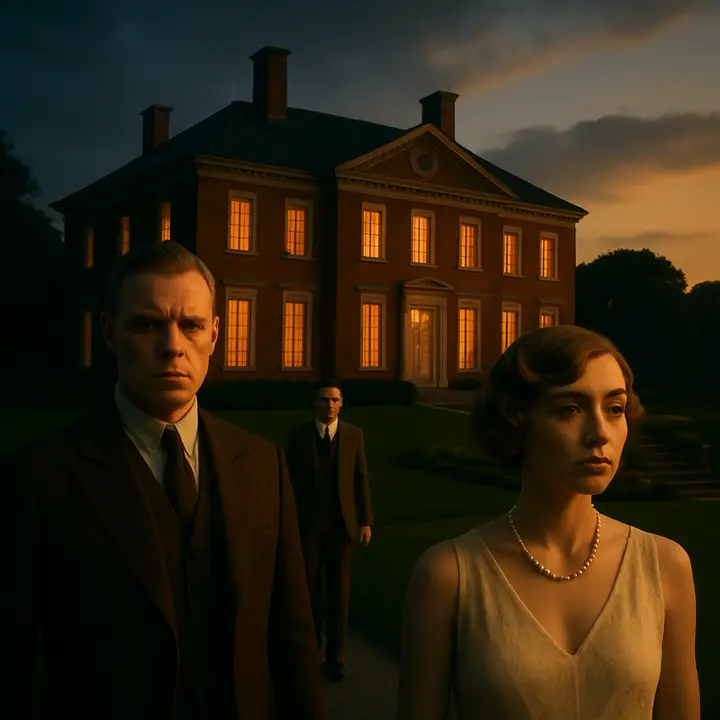
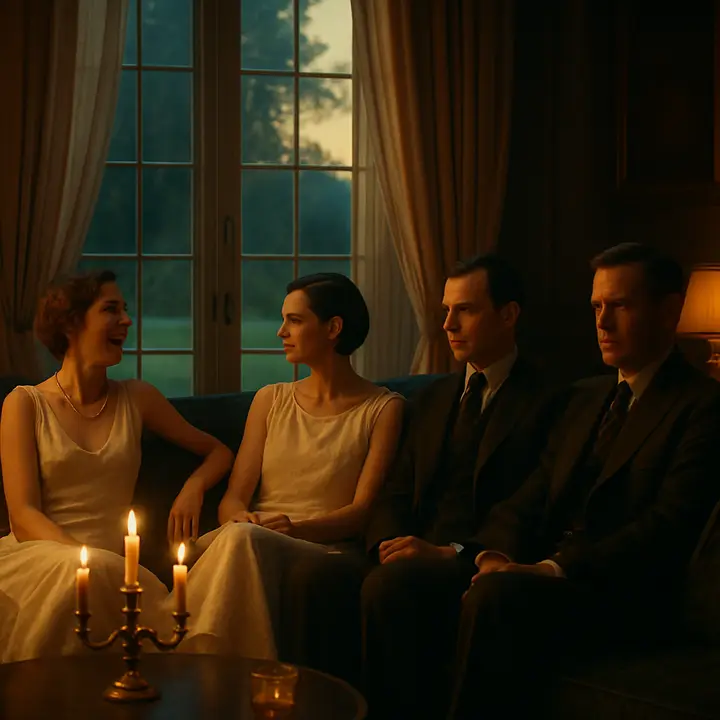
Tom Buchanan in pictures


Relationships
- Daisy Buchanan Wife; he exerts control over her social life and is determined to keep her within his class and protection.
- Pammy Buchanan Their infant daughter; an emblem of Tom and Daisy’s social continuity mentioned in the household context.
- Myrtle Wilson His mistress in New York; he treats her as possession and violently suppresses her affronts to his authority.
- George Wilson Myrtle’s husband and a victim of Tom’s manipulations after Myrtle’s death, whom Tom directs toward blaming Gatsby.
- Jay Gatsby Rival for Daisy’s affections; Tom confronts and denounces him during their New York showdown.
- Nick Carraway Acquaintance and narrator; Nick observes and judges Tom’s conduct and ultimately confronts him about what he told Wilson.
Why Tom Buchanan matters
Tom personifies the novel’s critique of Old Money: he maintains social dominance through wealth, brutality, and moral indifference. His actions reveal the era’s hypocrisy—championing civilization while behaving savagely—and show how entrenched privilege evades responsibility. By opposing Gatsby’s dream and manipulating events after Myrtle’s death, Tom helps expose the destructive gap between appearance and conscience that Fitzgerald interrogates throughout the book.
Chapters with Tom Buchanan
More The Great Gatsby characters
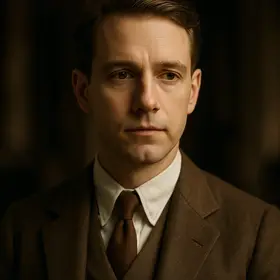 Nick CarrawayNarrator
 Daisy BuchananMajor character
 Jay GatsbyProtagonist
 Jordan BakerMajor character
 Dan CodyMinor character
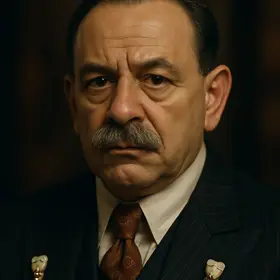 Meyer WolfsheimMinor character
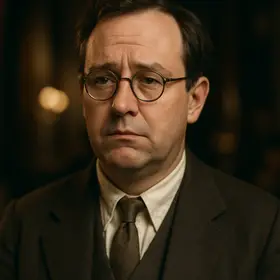 Ewing KlipspringerMinor character
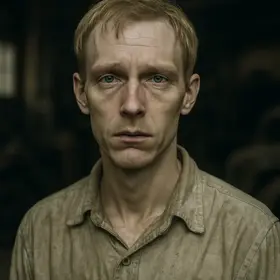 George WilsonMajor character
All chapter summaries ›Characters ›
Read The Great Gatsby illustrated
Every scene in these notes comes from the Book2Life reader, where the full public-domain text is illustrated as you read, with character portraits and narration. Free in your browser and on iPhone.
