
Jordan Baker in The Great Gatsby
Major character
A professional golfer and Daisy’s cool, modern friend who draws Nick into the Buchanans’ social world.
Who is Jordan Baker?
Jordan Baker is a celebrated professional golfer and a close friend of Daisy Buchanan who moves easily through East Egg’s wealthy circles. She helps connect Nick Carraway to the Buchanans and to Gatsby by using her insider knowledge and social ease; most importantly, she reveals to Nick that Gatsby and Daisy once had a romance and persuades Nick to invite Daisy to tea so Gatsby can meet her again. Jordan appears at Gatsby’s party and accompanies Nick through the crowd, acts as a guide to the social scene, and is present during the tense assemblage at the Buchanans’ that precedes Myrtle Wilson’s death. Nick judges her as habitually dishonest, and she remains emblematic of the era’s fashionable detachment: she comments on others’ lives, flirts with Nick, and observes the unfolding drama without intervening. Across the narrative she functions as both confidante and social intermediary, her composure and insider perspective helping move key plot events forward while also highlighting the moral carelessness of the elite.
In the book: Jordan Baker is a celebrated professional golfer and Daisy Buchanan’s sophisticated friend, whose cool detachment and modern independence embody the Jazz Age elite. Through her flirtation with Nick Carraway and her insider knowledge, she helps draw him into the social world orbiting Gatsby and the Buchanans, serving as both confidante and commentator on their moral carelessness while highlighting themes of deception, privilege, and the era’s shifting values.
Personality
- Detached
- At Gatsby’s party she drifts through the revelry with a cool composure, serving as Nick’s social guide rather than becoming emotionally involved (Chapter III).
- Insider
- She supplies the crucial backstory linking Gatsby and Daisy and asks Nick to arrange their meeting, showing her access to intimate information (Chapter IV).
- Flirtatious
- She flirts with Nick during their renewed acquaintance after the early social season, signaling romantic play rather than deep feeling (Chapter III and interlude thereafter).
- Cynical
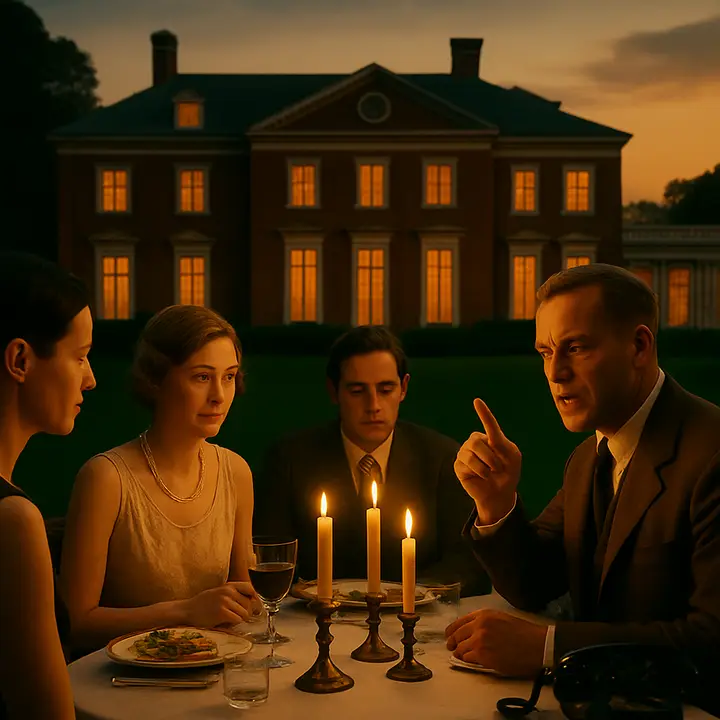
- At the Buchanans’ first dinner she shares Daisy’s wary view of their social world and embodies the era’s fashionable cynicism (Chapter I).
- Ambiguous-honesty
- Nick ultimately calls her 'incurably dishonest' after observing her behavior among the crowd and hearing her stories (Chapter III).
Character arc
Jordan’s outward behavior stays mostly constant from her first appearance to the end: she remains the poised, socially adept insider who bridges Nick to the Buchanans and Gatsby. Early on she appears at the Buchanans’ dinner as a composed, modern companion to Daisy and later escorts Nick through Gatsby’s ostentatious party, reinforcing her role as a guide to this world. When she reveals Gatsby and Daisy’s past and engineers the tea at Nick’s house, she shifts from social ornament to facilitator of the central reunion, but she does not become morally engaged with the consequences. She participates in the climactic day—present at the tense gathering at the Buchanans’ and present at the garage after Myrtle’s death—yet she refrains from deep emotional involvement or decisive action. By the novel’s close she has not changed her fundamental stance; Nick’s assessment of her dishonesty and emotional reserve remains intact. Rather than undergoing a redemptive or clarifying transformation, Jordan exemplifies the stable, self-contained modernity of the Jazz Age elite, maintaining her distance while history and tragedy unfold around her.
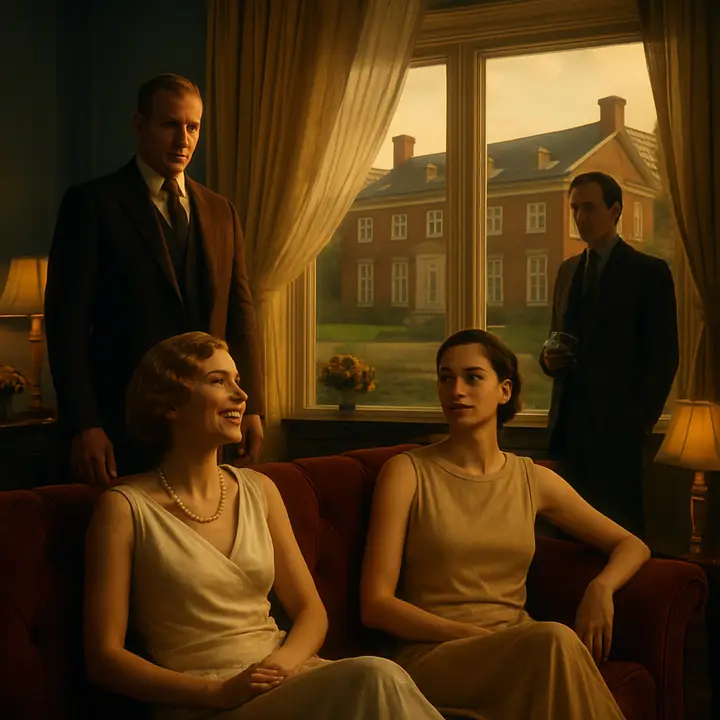
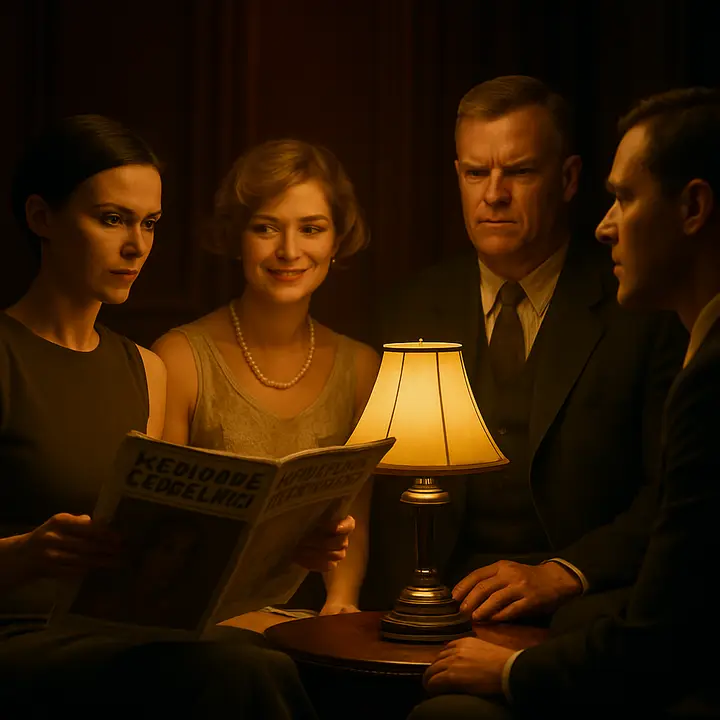
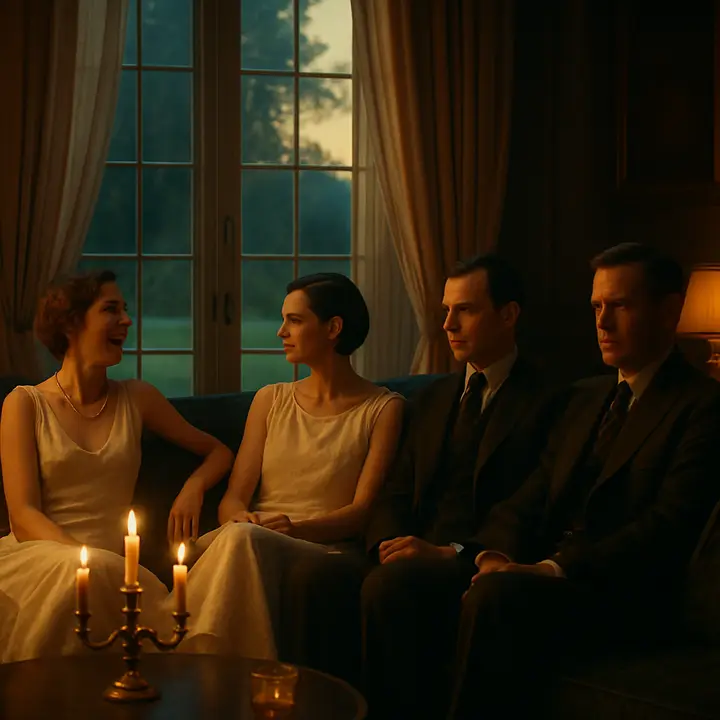
Jordan Baker in pictures
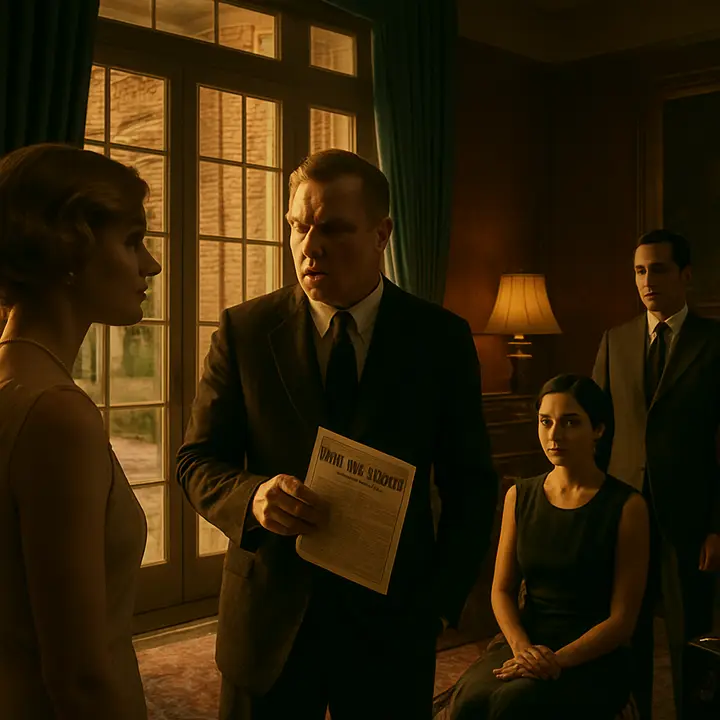
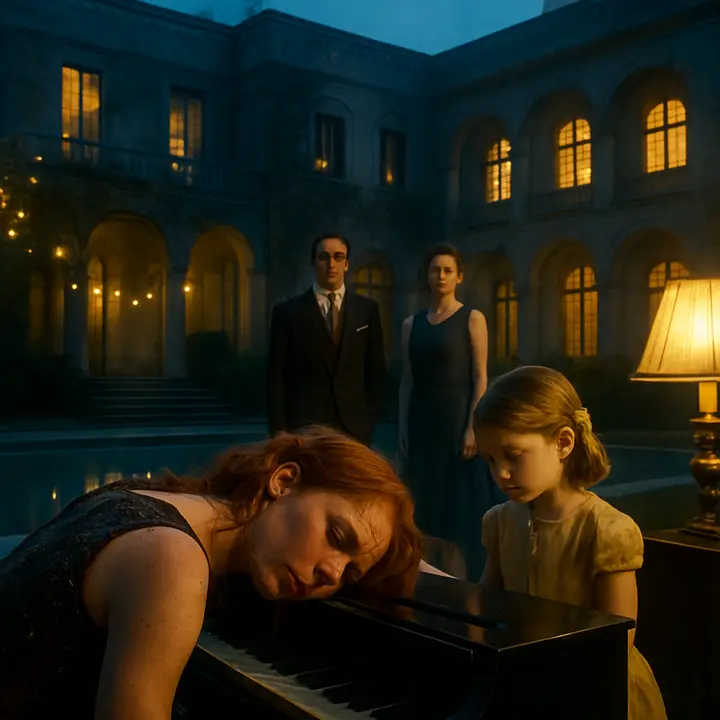
Relationships
- Daisy Buchanan Close friend and social companion; she appears with Daisy at the opening dinner and shares Daisy’s cynicism about their world (Chapter I).
- Nick Carraway Romantic flirtation and social guide; she renews an acquaintance with Nick, escorts him to Gatsby’s party, and asks him to arrange Daisy’s visit (Chapters III and IV).
- Jay Gatsby Facilitator and intermediary; she knows Gatsby’s past connection to Daisy and arranges the initial private meeting at Nick’s house (Chapter IV).
- Tom Buchanan Fellow member of the same social circle who shares tense scenes with Jordan during the confrontation at the Buchanans’ (Chapter VII).
- Myrtle Wilson Present at the aftermath of Myrtle’s death—Jordan accompanies Nick to the garage and witnesses the immediate shock and confusion (Chapter VII).
Why Jordan Baker matters
Jordan represents the modern, morally detached elite of the Jazz Age: stylish, independent, and socially mobile, yet emotionally insulated. Through her insider knowledge and willingness to manipulate social situations she helps set the novel’s central reunion and consequent tragedy into motion. Her composure and ambiguous honesty illuminate Fitzgerald’s themes of deception, privilege, and the hollow glamour of wealth—she is both participant and commentator, showing how the era’s values permit personal irresponsibility and the erosion of sincere commitments.
Chapters with Jordan Baker
More The Great Gatsby characters
 Nick CarrawayNarrator
 Tom BuchananAntagonist
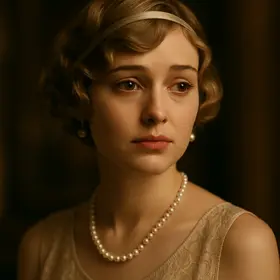 Daisy BuchananMajor character
 Jay GatsbyProtagonist
 Dan CodyMinor character
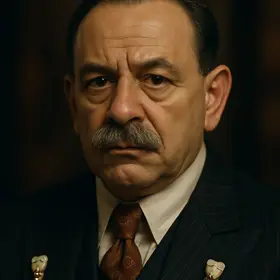 Meyer WolfsheimMinor character
 Ewing KlipspringerMinor character
 George WilsonMajor character
All chapter summaries ›Characters ›
Read The Great Gatsby illustrated
Every scene in these notes comes from the Book2Life reader, where the full public-domain text is illustrated as you read, with character portraits and narration. Free in your browser and on iPhone.
