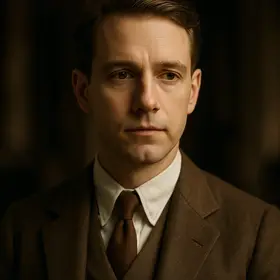
Nick Carraway in The Great Gatsby
Narrator
Yale-educated Midwesterner and bond salesman who narrates, observes, and judges the events around Jay Gatsby in West and East Egg.
Who is Nick Carraway?
Nick Carraway is the novel’s first-person narrator and a transplanted Midwesterner who rents a modest house in West Egg while learning the bond trade in New York. Guided by his father’s counsel to reserve judgment, he moves fluidly between social circles—cousin to Daisy Buchanan, a friend to Jordan Baker, and neighbor and confidant to Jay Gatsby—observing the extravagance and moral ambiguity of the Jazz Age. Over the summer he facilitates Gatsby’s reunion with Daisy, witnesses key confrontations and a fatal accident, and stays with Gatsby through his last hours. Throughout, Nick records who attends Gatsby’s parties, interviews Gatsby’s associates, and tries to secure funerary and practical arrangements after Gatsby’s death. His voice frames the story: restrained, reflective, and increasingly disillusioned by the carelessness and selfishness he encounters. By the end he rejects the Eastern world’s values, reconnects with his Midwestern identity, and decides to return home, having acted as the moral and practical anchor for Gatsby when others refuse involvement.
In the book: Nick Carraway is the novel’s first-person narrator—a Yale-educated bond salesman from the Midwest who rents a modest house in West Egg and becomes the neighbor and confidant of Jay Gatsby. As Daisy Buchanan’s cousin and a friend to several key figures, he moves easily between social circles, observing the excesses and illusions of Jazz Age New York. His measured, reflective voice frames the story’s events and themes, providing a moral lens and shaping how readers interpret the characters and their world without dominating the action himself.
Personality
- Observant
- At dinner in Chapter 1 he closely notes Tom and Daisy’s strained manner and the domestic atmosphere of their mansion.
- Reserved
- He invokes his father’s advice about reserving judgment at the novel’s opening and often maintains distance at parties and gatherings.
- Conscientious
- After Gatsby’s death he takes responsibility for contacting acquaintances, arranging the funeral, and summoning Henry Gatz.
- Self-reflective
- He repeatedly interprets events for the reader, framing Gatsby’s dream with the green light and reflecting on the moral landscape of the East.
Character arc
Nick begins as a curious, somewhat naive newcomer who intends to remain an impartial observer, recounting his Midwestern upbringing and the advice to withhold judgment. Early on he moves between East Egg and West Egg with polite detachment—attending the Buchanans’ dinner, accompanying Tom to the valley of ashes, and drifting through Gatsby’s parties. As the narrative proceeds he becomes more involved: he befriends Gatsby, facilitates the reunion with Daisy, and witnesses the moral unraveling that culminates in Myrtle’s death and Gatsby’s murder. Those events erode his initial neutrality; he grows morally outraged at the carelessness and selfishness around him, culminating in his solitary efforts to secure Gatsby’s funeral and confront Tom. By the end Nick rejects the glamour and amorality of the East, reasserts his Midwestern values, and decides to return home, transformed from an observer into an active moral agent and the last loyal friend to Gatsby.
Nick Carraway in pictures


Relationships
- Jay Gatsby Neighbor and confidant who entrusts Nick with arranging his reunion with Daisy and relies on Nick in his final days.
- Daisy Buchanan Cousin whose life and choices become central to Nick’s narrative and whom he invites to Gatsby’s tea at Jordan’s request.
- Tom Buchanan Daisy’s husband and social antagonist whose arrogance and brutality Nick observes closely and later confronts about his role in events.
- Jordan Baker A friend and romantic interest who informs Nick of Gatsby’s past with Daisy and with whom he has a brief, disillusioning relationship.
- Henry Gatz Gatsby’s father, whom Nick summons from the Midwest and escorts to his son’s funeral, acting as intermediary and comfort.
- Meyer Wolfsheim Gatsby’s shady business associate whom Nick meets at lunch and later finds evasive when Gatsby needs support.
Quotes by Nick Carraway
“It’s an old clock," I told them idiotically.”
Chapter 5Nick's flustered attempt to smooth over Gatsby's clumsy embarrassment when Gatsby almost breaks the mantel clock during the first awkward moments with Daisy.
““They’re a rotten crowd,” I shouted across the lawn. “You’re worth the whole damn bunch put together.””
VIIINick gives Gatsby the only compliment he ever offers, asserting Gatsby’s moral value against the careless social set.
Why Nick Carraway matters
Nick functions as the moral lens and narrative conscience of the novel: his measured voice shapes how readers interpret Gatsby, the Buchanans, and the East’s social world. By recording events while trying to reserve judgment, he exposes the gap between surface glamour and underlying corruption; his ultimate disillusionment and return to the Midwest underline themes of illusion versus reality, the moral cost of the American Dream, and the emptiness of wealth without responsibility. His loyalty to Gatsby at the end further highlights the novel’s tragic collision between idealism and a selfish society.
Chapters with Nick Carraway
More The Great Gatsby characters
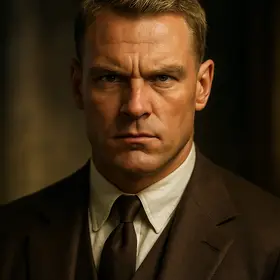 Tom BuchananAntagonist
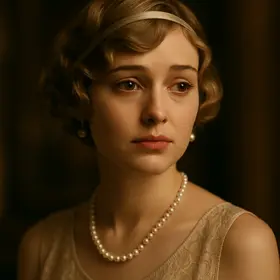 Daisy BuchananMajor character
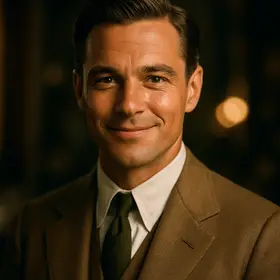 Jay GatsbyProtagonist
 Jordan BakerMajor character
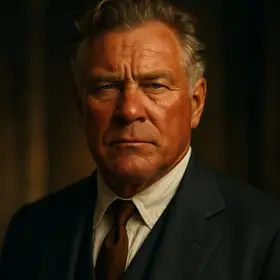 Dan CodyMinor character
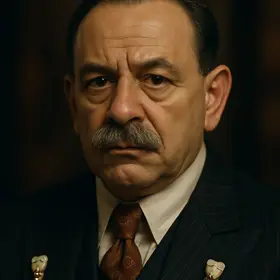 Meyer WolfsheimMinor character
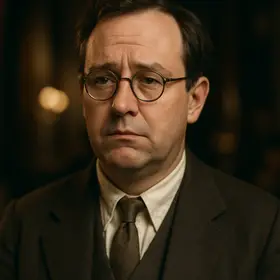 Ewing KlipspringerMinor character
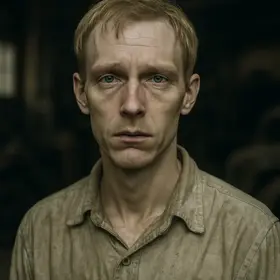 George WilsonMajor character
All chapter summaries ›Characters ›
Read The Great Gatsby illustrated
Every scene in these notes comes from the Book2Life reader, where the full public-domain text is illustrated as you read, with character portraits and narration. Free in your browser and on iPhone.
