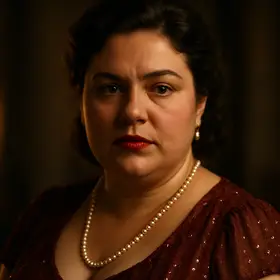
Myrtle Wilson in The Great Gatsby
Minor character
The dissatisfied wife of George Wilson who seeks escape from poverty through an affair with Tom Buchanan and social climbing.
Who is Myrtle Wilson?
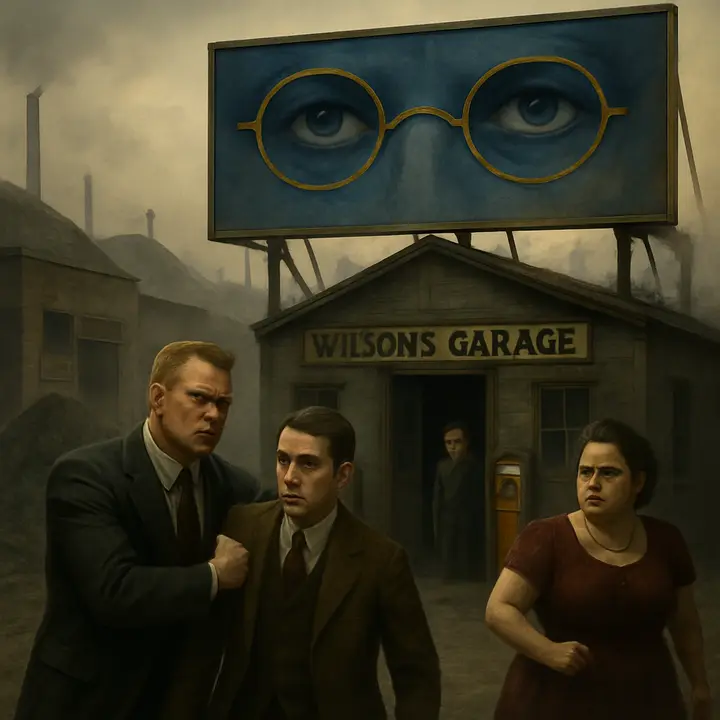
Myrtle Wilson is the wife of a garage owner in the Valley of Ashes who longs to leave her working-class life for wealth and glamour. In Chapter II she accepts Tom Buchanan’s attention, changes for a day in the city, hosts a noisy apartment party where she affects upper-class airs and repeatedly taunts Tom about Daisy. Her boldness and social aspiration draw her into Tom’s orbit and into the world of excess centered on East Egg and West Egg. In Chapter VII her fate becomes central to the novel’s tragedy: after a tense day in New York that ends with Daisy driving Gatsby’s car, Myrtle is struck and killed on the return trip. Her death triggers the chain of events that leads to George Wilson’s breakdown and the novel’s violent conclusion. Myrtle’s choices and their fatal consequences highlight the collision of class desire, reckless privilege, and the moral blindness of those she seeks to emulate.
In the book: Myrtle is the garage owner’s wife who yearns to escape her working-class life, and her ambition draws her into the orbit of wealth and excess. Through her social climbing, bold temperament, and fraught relationships, she exposes the class tensions, material desires, and moral compromises that drive the world of the story, helping to set in motion conflicts that reveal the novel’s critique of the American Dream.
Personality
- Ambitious
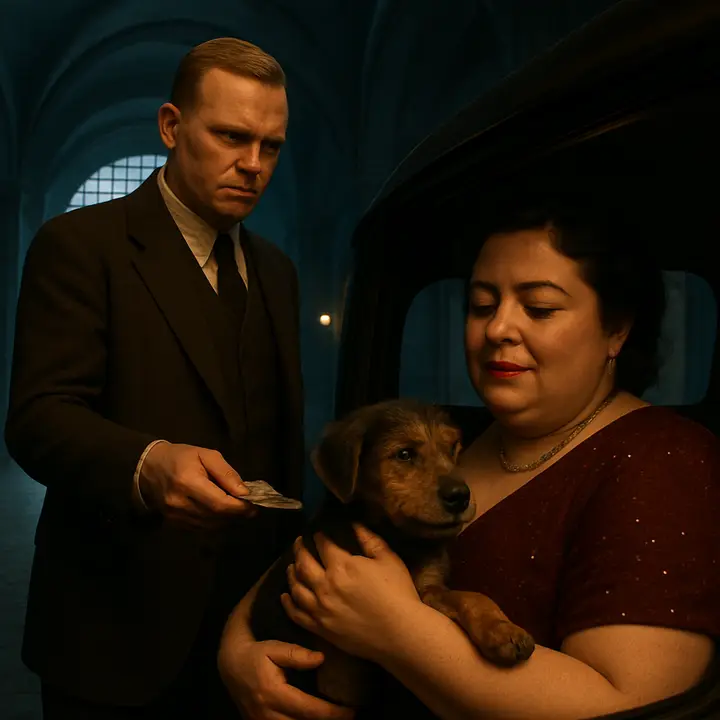
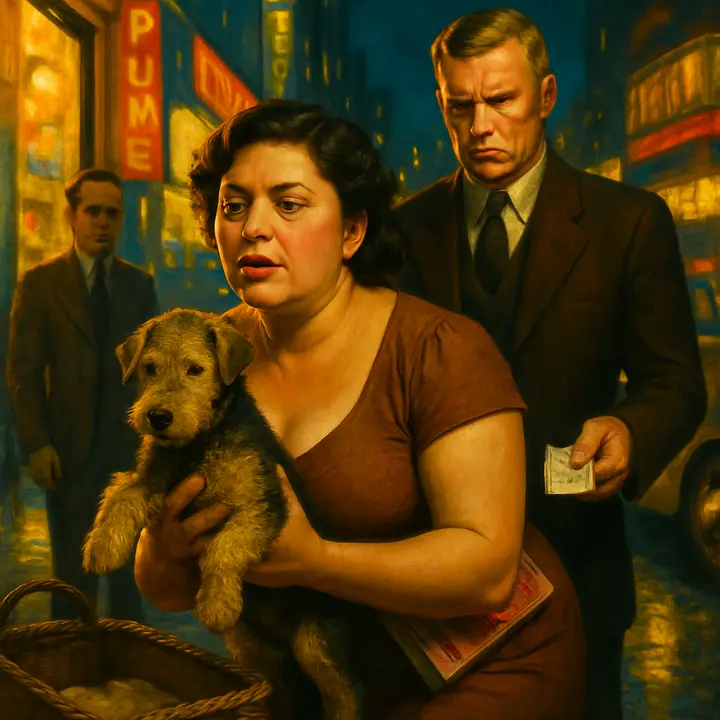
- She changes clothes for a day in the city, buys a dog, and adopts airs of grandeur at her Manhattan apartment party (Chapter II).
- Bold
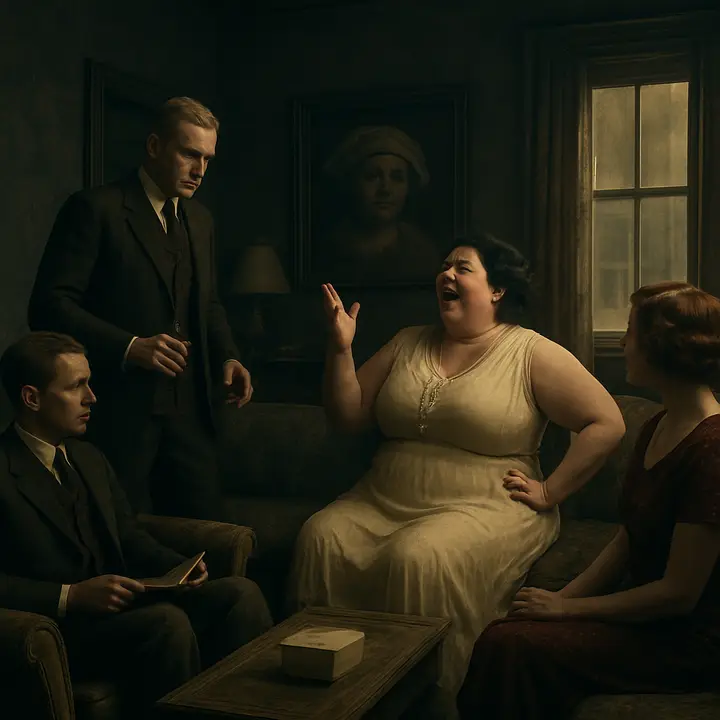
- At the apartment party she openly taunts Tom about Daisy and discusses plans and gossip without restraint (Chapter II).
- Restless
- She is depicted as yearning to escape the Valley of Ashes and repeatedly expresses bitterness about her marriage and life (Chapter II).
- Vulnerable
- She becomes physically vulnerable and is fatally struck by a car while returning from the city, precipitating the novel’s tragic aftermath (Chapter VII).
Character arc
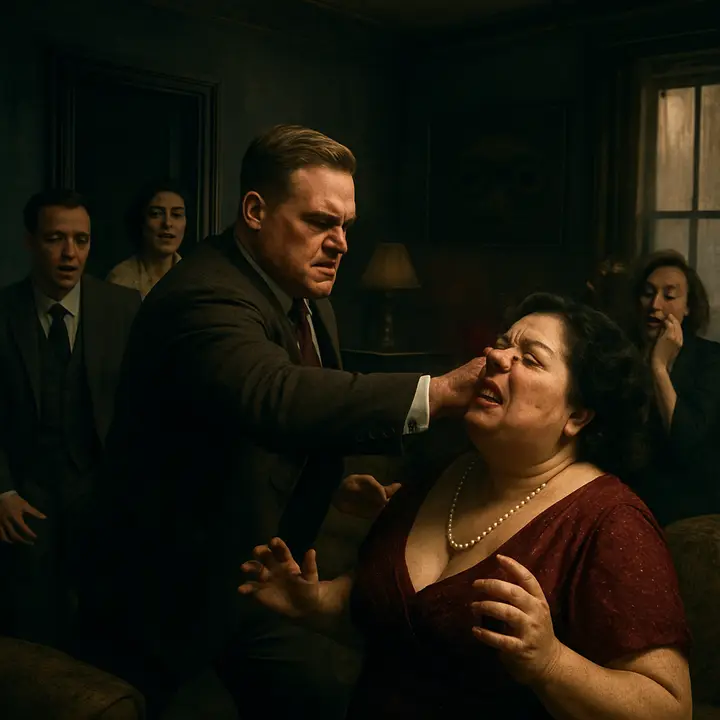
Myrtle first appears as a figure of frustrated aspiration: married to George Wilson in the grim Valley of Ashes, she seizes Tom Buchanan’s attention as a shortcut toward the wealth and social status she covets. In Chapter II she plays the part of a higher-class woman at a Manhattan apartment party—purchasing a dog, hosting guests, and taunting Tom about Daisy—until Tom brutally strikes her, exposing the limits of her power against entrenched privilege. After that episode she retreats from the narrative for a time, but her involvement in the Buchanans’ world culminates in Chapter VII when she is accidentally struck and killed during the drive back from New York. Her death is abrupt and final: it ends her personal striving and becomes the literal catalyst for George Wilson’s obsessive grief and the chain of violence that closes the novel. Myrtle changes from an assertive, scheming social climber to a tragic victim whose desires and choices have irreversible consequences.
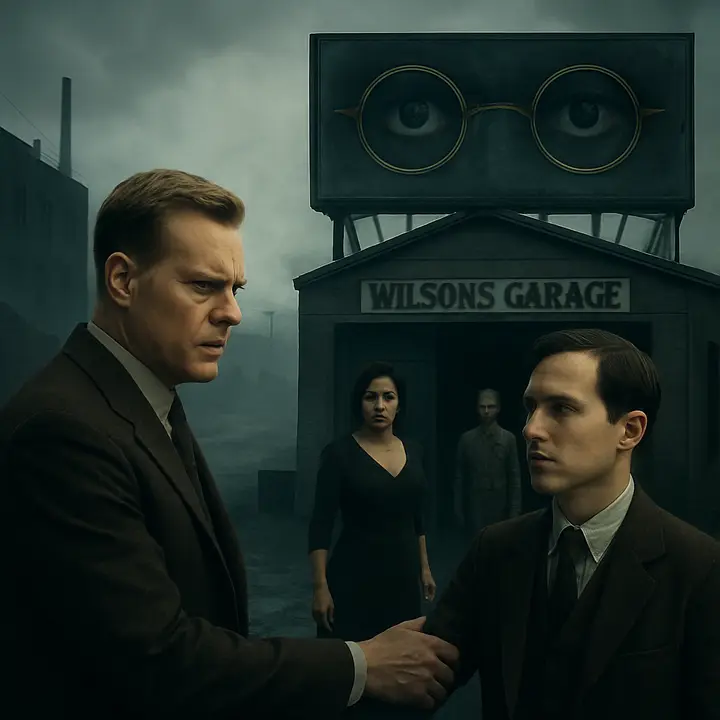
Myrtle Wilson in pictures
Relationships
- George Wilson Her husband, a downtrodden garage owner in the Valley of Ashes, whose grief and fixation follow her death.
- Tom Buchanan Her lover and the object of her attempt to access wealth and status; he physically strikes her and exerts control over her evenings in the city.
- Catherine Her sister, present at the Manhattan apartment party and part of Myrtle’s small social circle used to perform a higher-class identity.
- Nick Carraway An observer at the apartment party and at the scene after her death; he narrates events that show her social position and fate.
- Michaelis A neighbor who stays with George Wilson through the night after Myrtle’s death and witnesses George’s growing conviction about the killer.
- Daisy Buchanan An indirect figure of rivalry and contempt: Myrtle taunts Tom about Daisy, and Daisy’s presence in Tom’s life frames Myrtle’s aspirations and eventual fate.
Why Myrtle Wilson matters
Myrtle embodies the novel’s examination of class aspiration and the destructive pursuit of the American Dream. Her yearning to escape the Valley of Ashes and her willingness to consort with Tom reveal how social mobility appears attainable only through moral compromise and dependence on the powerful. Her violent death exposes the carelessness of the wealthy world she seeks to enter and precipitates the moral unmasking and retribution that conclude the story. Through Myrtle Fitzgerald critiques the divide between appearances and reality, showing how desire, entitlement, and class friction produce tragic consequences.
Chapters with Myrtle Wilson
More The Great Gatsby characters
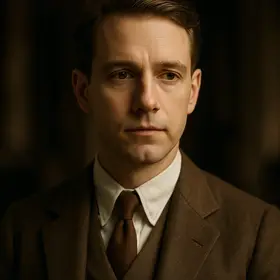 Nick CarrawayNarrator
 Tom BuchananAntagonist
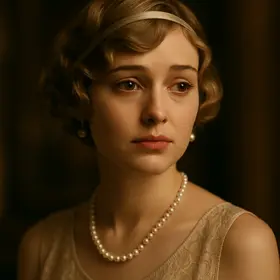 Daisy BuchananMajor character
 Jay GatsbyProtagonist
 Jordan BakerMajor character
 Dan CodyMinor character
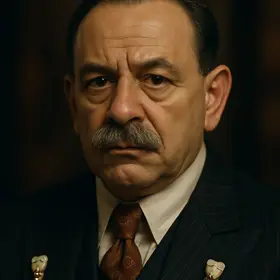 Meyer WolfsheimMinor character
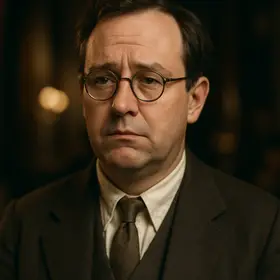 Ewing KlipspringerMinor character
All chapter summaries ›Characters ›
Read The Great Gatsby illustrated
Every scene in these notes comes from the Book2Life reader, where the full public-domain text is illustrated as you read, with character portraits and narration. Free in your browser and on iPhone.
