
Catherine in The Great Gatsby
Minor character
Myrtle Wilson’s urbane, gossiping sister who appears at the New York apartment party and later testifies after Myrtle’s death.
Who is Catherine?
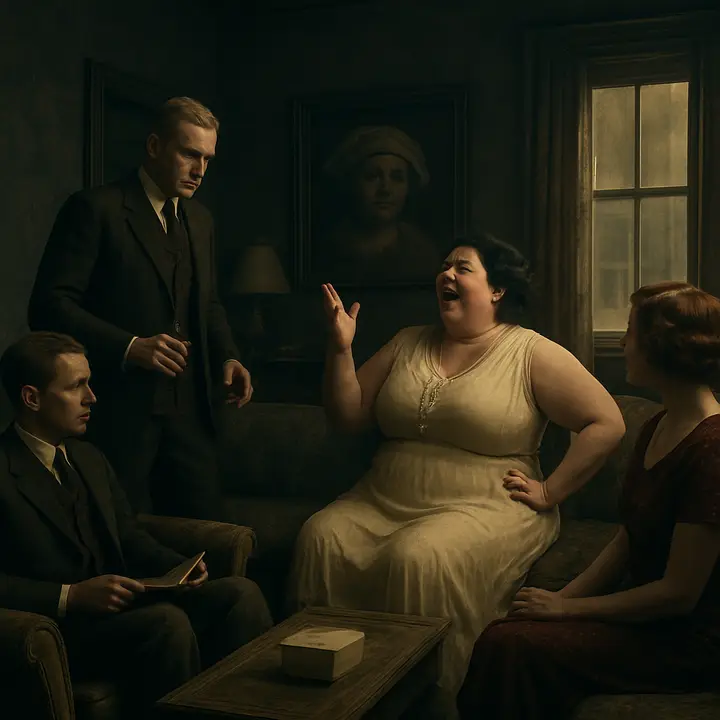
Catherine is Myrtle Wilson’s sister who moves in New York social circles and appears at the boisterous Manhattan apartment party in Chapter II, where her chatter and cynicism color Nick’s impression of the city’s flashy, careless set. She trades gossip about marriages, Daisy, and supposed links to wealthy men, helping circulate rumors—especially about Jay Gatsby—that shape the guests’ perceptions. After Myrtle’s death, Catherine appears among those questioned and quoted by newspapers and witnesses; she joins the defensive public narrative that protects certain reputations and distances others from blame. Catherine’s presence highlights the social texture around Myrtle and Tom: she is less an individual with deep development than a voice that reveals how talk, reputation, and convenience steer behavior and interpretation in the novel’s Jazz Age milieu.
In the book: Myrtle Wilson’s sister, Catherine moves in New York party circles and appears at the raucous apartment gathering with Tom Buchanan, where her chatter, gossip, and easy cynicism color Nick’s view of the city’s flashy, careless set. She helps frame the social world surrounding the central affair, spreading rumors about Gatsby and offering blasé opinions on marriage and divorce, and later tries to manage scandal within her circle, illustrating how image and convenience often trump truth in the novel’s Jazz Age milieu.
Personality
- Gossipy
- At the Chapter II apartment party she chatters about Daisy, marriage, and rumors of wealthy lovers, spreading stories about Gatsby.
- Cynical
- During the same party she offers blasé opinions on marriage and divorce, treating intimate matters as social currency.
- Defensive
- In the aftermath of Myrtle’s death she helps frame the public account, denying Gatsby’s involvement and protecting her circle’s image.
- Worldly
- Her familiarity with city talk and social maneuvering is evident at the Manhattan gathering where she moves easily among the guests.
Character arc
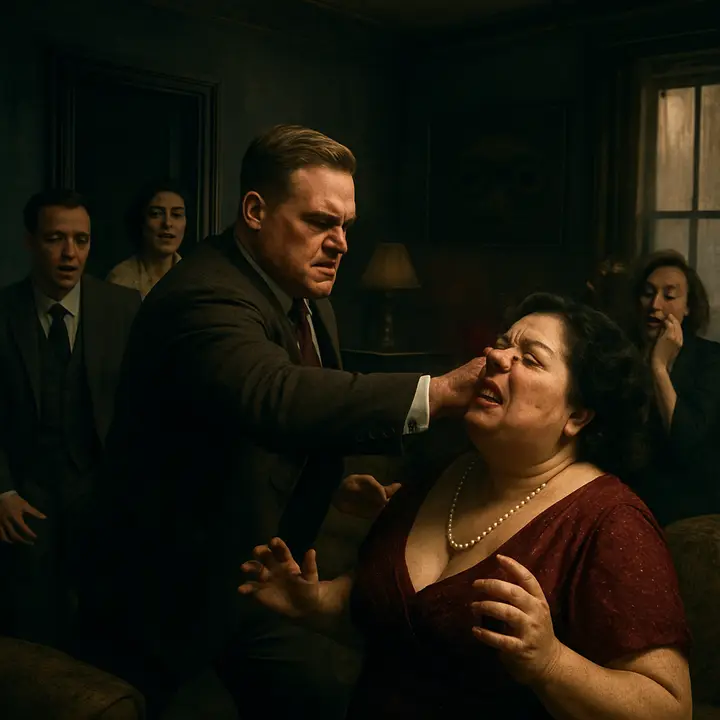
Catherine’s role is compact and essentially static: she first appears amid the noisy, intimate excess of Myrtle’s New York apartment in Chapter II, where her talk and gossip animate the small party and help set the social tone that Nick observes—frivolous, opportunistic, and cruel. She participates in jokes and taunts, contributing to the volatile atmosphere that culminates in Tom striking Myrtle. Later, after Myrtle’s death, Catherine resurfaces in the public, legal aftermath; she adopts a defensive posture, offering testimony and denials that shape newspaper accounts and protect reputations. She does not undergo moral revelation or transformation; rather, she shifts from private gossip to public self-preservation, demonstrating consistency in prioritizing image and convenience over truth. Her arc therefore reinforces the novel’s portrait of a society that uses speech to manage scandal and evade responsibility rather than to seek understanding or justice.
Catherine in pictures




Relationships
- Myrtle Wilson Younger or older sister who socializes with her and helps shape the story’s gossip around Myrtle’s affair.
- Tom Buchanan Present at the explosive apartment party where she gossips and watches Tom’s possessive, violent behavior.
- Nick Carraway An observed figure—Nick watches Catherine at the party and records her chatter, which informs his view of the city crowd.
- Daisy Buchanan Frequent subject of Catherine’s gossip at the party; Daisy’s name figures into Catherine’s cynical commentary on marriage and status.
- Jay Gatsby A rumored figure in Catherine’s talk—she helps spread and later resist scandalous connections attributed to Gatsby.
- George Wilson Indirectly connected through Myrtle’s death and the inquest where Catherine helps shape the narrative that affects George’s understanding.
Why Catherine matters
Catherine functions as a small but telling conduit of the novel’s themes: gossip, social performance, and moral carelessness. Her idle chatter at the party and her later defensive statements show how words circulate to construct reputations and evade responsibility. She helps dramatize the ease with which the urban set substitutes image and convenience for truth, reinforcing Fitzgerald’s critique of a society that prizes appearances and self-preservation over honesty and accountability.
Chapters with Catherine
More The Great Gatsby characters
 Nick CarrawayNarrator
 Tom BuchananAntagonist
 Daisy BuchananMajor character
 Jay GatsbyProtagonist
 Jordan BakerMajor character
 Dan CodyMinor character
 Meyer WolfsheimMinor character
 Ewing KlipspringerMinor character
All chapter summaries ›Characters ›
Read The Great Gatsby illustrated
Every scene in these notes comes from the Book2Life reader, where the full public-domain text is illustrated as you read, with character portraits and narration. Free in your browser and on iPhone.
