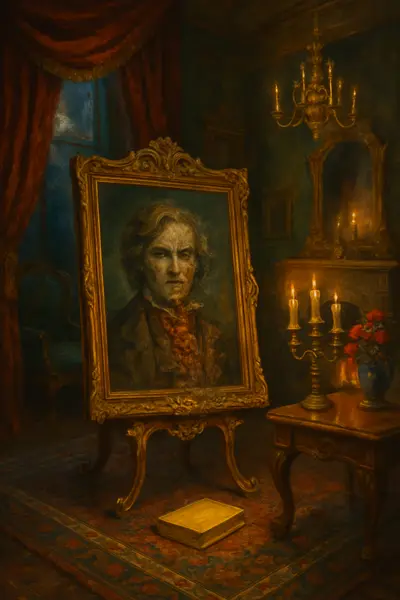
The Odyssey
Epic poetry
Free to read in your browser. Public-domain edition from Project Gutenberg, illustrated as you read.
About This Book
The Odyssey is an ancient Greek epic that follows the long, hazardous return of Odysseus to his island home after the Trojan War. Framed by the concerns of his household in Ithaca—his faithful wife Penelope, their son Telemachus, and a house overrun by ambitious suitors—the poem moves between the halls of the gods and a string of dramatic encounters on land and sea. Odysseus is a resourceful warrior and wily voyager whose journey brings him into contact with monsters, sorceresses, and strange peoples: the Cyclops Polyphemus, the Lotus-eaters, the enchantress Circe, the underworld, and the seafaring Phaeacians who first hear his tales. Athena, goddess and advocate, guides both father and son; Telemachus comes of age as he seeks news of his father. Penelope remains at the center of the household, managing time and hope while tests of identity and loyalty accumulate. The narrative balances set-piece adventures and intimate domestic scenes, exploring the costs of wandering and the strain of prolonged absence. Its episodic structure weaves mythic encounters with human dilemmas, giving voice to a cast of gods, heroes, and ordinary people whose choices drive the drama and raise enduring questions about leadership, fidelity, and the shape of home.
Characters in The Odyssey
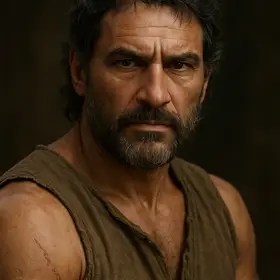 OdysseusWhen we first hear of him, he’s the long-absent king of Ithaca—famed from the Trojan War for brains as much as brawn—while his island is overrun by pushy suitors eating his food. Everyone talks about his cunning and toughness, and his not being home yet is the problem that sets everything in motion.
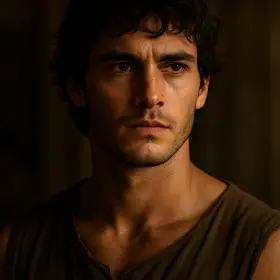 TelemachusWhen we first meet him in Ithaca, he’s Odysseus’s son trying to hold his father’s hall together while bold suitors eat his food and pressure his mother. He’s polite but simmering with frustration, and—after a visit from a wise “guest”—he finally gathers himself to speak up and look for news of his missing father.
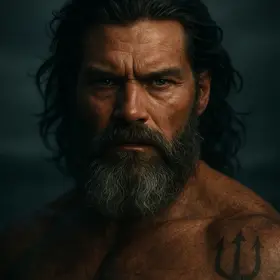 PoseidonWhen we first hear of him, he’s the god of the sea who’s still furious at Odysseus for blinding his cyclops son, Polyphemus. He matters because his grudge keeps the ocean itself stacked against Odysseus, turning every crossing into a fresh bout with storms and setbacks. While the other gods start talking about helping the hero, Poseidon is the one power not ready to forgive.
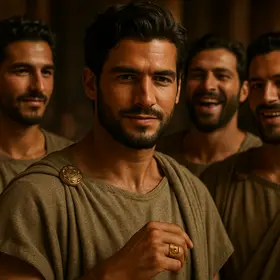 The SuitorsWhen we first see them, they’ve taken over Odysseus’s great hall on Ithaca, eating his food, drinking his wine, and loudly courting Penelope as if the house already belongs to them. They mock Telemachus, shrug off basic courtesy, and make their presence impossible to ignore—rich, rowdy, and entitled.
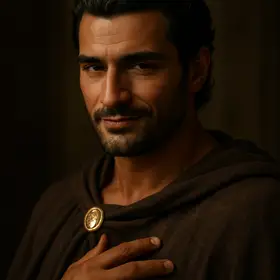 AntinousWhen we first meet him on Ithaca, he’s the swaggering ringleader among the men crowding Odysseus’s hall, eating and drinking like they own the place. He’s quick with taunts, confident in his wealth and status, and he pushes back hard when Telemachus challenges the suitors.
 EurymachusYou meet him in Ithaca as one of the loud, high-ranking suitors lounging in Odysseus’s hall, full of easy charm and entitlement. He speaks smoothly to Penelope and Telemachus, acting reasonable while pushing to keep the feasting and gifts flowing, and other suitors take their cues from him.
 PolyphemusWhen we first meet Polyphemus, he’s a solitary Cyclops shepherd living in a cave, more interested in his flocks and his own rough routine than in the rules of hospitality. He matters because Odysseus and his men stumble into his home and have to deal with his brute power and disregard for strangers, which quickly turns their stop into a deadly test of wits.
 CalypsoWhen you first meet Calypso, she’s the enchanting nymph living alone in a fragrant sea-cave on Ogygia, singing as she works at her loom. She’s captivated by the shipwrecked Odysseus and keeps him near with gentle care and alluring promises, which is why his journey pauses on her island.
- SScyllaWhen we meet Scylla, she’s the nightmare lurking in a rock‑rimmed cave along the strait Odysseus must pass, the counterpart to the whirlpool on the other side. Circe warns him about her reach and her taste for anyone who comes too close, so getting by her becomes one of those white‑knuckle moments on the voyage.
 CharybdisWe meet Charybdis as the living whirlpool that lurks opposite Scylla in a narrow strait, a sea-hazard Odysseus is warned about before he sails through. She matters because her pull can swallow a whole ship in a heartbeat, forcing Odysseus to decide how to pass without losing everything.
 The LaestrygoniansWhen we first meet them, they’re the people of a hidden harbor—seemingly ordinary townsfolk at a glance—who reveal themselves as man-eating giants the moment strangers arrive. Their sudden, brutal hostility turns a routine stop into a desperate scramble, showing just how treacherous unknown shores can be.
 The SirensThe reader meets the Sirens as eerie singers on a lonely shore, their voices drifting over the waves to beckon passing sailors. They matter because their song promises irresistible knowledge and comfort, daring the crew to lose themselves and testing whether our hero can pass without being pulled off course.
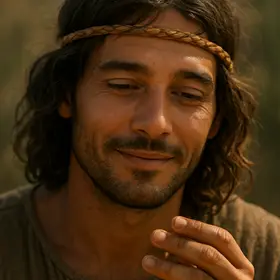 The Lotus-EatersWe first meet him on a far coast where he greets Odysseus’s crew with easy kindness and offers them the sweet lotus to eat. He matters because that gentle hospitality hides a trap: the lotus makes sailors forget home, and his serene way of living tempts them to stay.
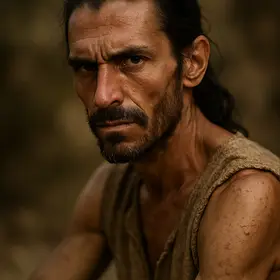 MelanthiusWhen we meet him on Ithaca, he’s the palace’s goatherd—loud-mouthed, quick to sneer, and far too cozy with the swaggering nobles crowding Odysseus’s halls. He matters because his attitude shows how rough life at the estate has gotten and how some servants pick the side that looks strongest.
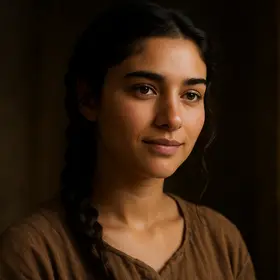 MelanthoWhen we first meet Melantho, she’s one of Penelope’s handmaids, comfortable in the palace and a bit too bold for a servant. She mouths off to the ragged “beggar” in the hall and cozies up to the suitors—especially Eurymachus—showing how the household isn’t all on Penelope’s side.
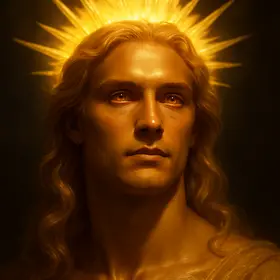 HeliosHelios is the sun god—always watching from the sky—and the keeper of the sacred cattle pastured on the island of Thrinacia. When we first hear of him, he’s the vigilant, brilliant presence whose favor (or wrath) can tip a voyage’s luck, so everyone is warned to treat his herds with reverence.
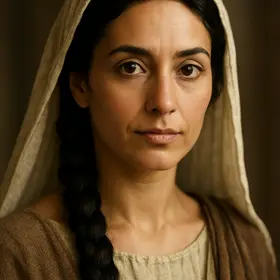 PenelopeWe first meet Penelope as the queen of Ithaca, holding her household together while Odysseus is missing and a crowd of suitors eats her stores. She’s calm, clever, and fiercely protective of Telemachus, spending long hours at the loom and finding polite ways to keep the suitors at bay.
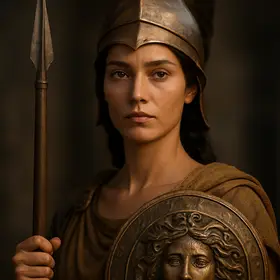 AthenaWe first meet her as the clear‑headed goddess who speaks up on Odysseus’s behalf and then arrives among mortals to nudge things into motion. In the guise of a friendly visitor, she steadies Telemachus, giving him the push to act while quietly keeping an eye on the chaos at his home.
 CirceWe first meet Circe as the enchanting goddess who keeps a luxurious house on the island of Aeaea, singing at her loom while tame lions and wolves pad around like house pets. She matters because she lures some of Odysseus’s hungry men inside and turns them into pigs, which forces Odysseus to confront the sorceress behind the feast and the spell.
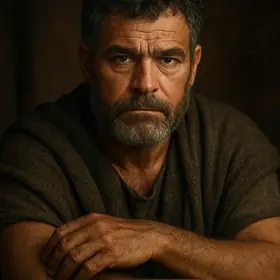 EumaeusHe’s the loyal swineherd on Ithaca, living simply among the pens and keeping his absent master’s herds alive. When a ragged traveler arrives at his hut, he feeds him, talks frankly about the troubles at home, and stays cautious yet unfailingly kind.
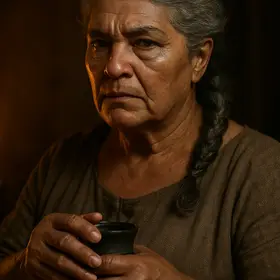 EurycleiaWhen we first meet her, she’s the trusted old nurse in Odysseus’s house, fiercely devoted to Telemachus and gentle but firm with him. She moves quietly through the halls with wine and lamplight, keeps his small secrets, and casts a wary eye at the rude suitors crowding the place.
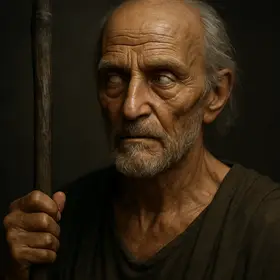 TiresiasWhen we first meet Tiresias, he’s the famed blind prophet of Thebes whom Odysseus seeks out in the underworld for guidance. He speaks calmly and directly, reading the situation with unsettling clarity, and he matters because Odysseus needs his pointed advice to find a way home.
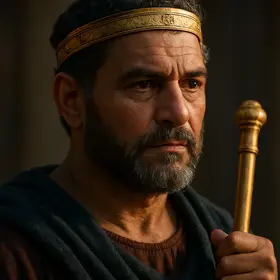 AlcinousAlcinous is the thoughtful, hospitable king of the Phaeacians whom Odysseus encounters after washing up on their shores. He listens carefully, defers to his sharp‑eyed queen Arete, and moves quickly to shelter the stranger, call an assembly, and see the guest properly entertained.
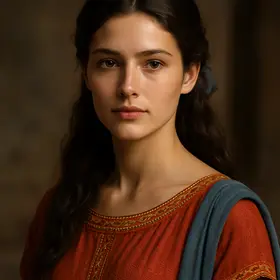 NausicaaShe’s the Phaeacian princess who first appears while out washing linen and playing ball with her handmaids. When a shipwrecked stranger stumbles from the shore, she greets him with calm good sense, offers clothing, and points him toward her parents’ palace so he can seek help.
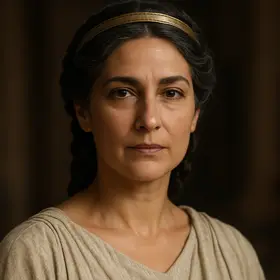 AreteWe first meet Arete in the great hall of Phaeacia, where she’s Queen alongside King Alcinous and mother to Nausicaa. People defer to her judgment, and Odysseus is urged to approach her first because her kindness and clear head can decide whether he gets help.
 LaertesLaertes is Odysseus’s aging father back on Ithaca, spending his days working the land instead of holding court. He matters because he anchors the family’s past and reputation, a living reminder of the house Odysseus is fighting to return to. People speak of him with respect and a little sadness, since age and worry have worn him down.
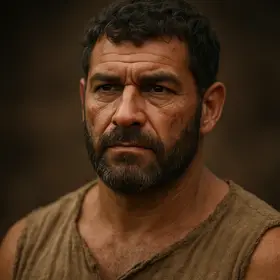 PhiloetiusWhen we first meet Philoetius, he’s Odysseus’s hardworking cowherd on Ithaca, quietly keeping the herds together while the suitors devour the household’s wealth. He speaks respectfully to a ragged stranger, worries over the waste he sees, and makes it clear where his loyalty lies.
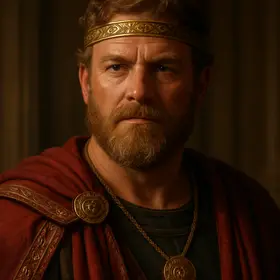 MenelausWe meet Menelaus in his palace at Sparta, a wealthy, battle-tested king who welcomes strangers with big-hearted hospitality. He’s Helen’s husband and a comrade of Odysseus, eager to trade stories of the war and share what he’s learned about Odysseus’s whereabouts.
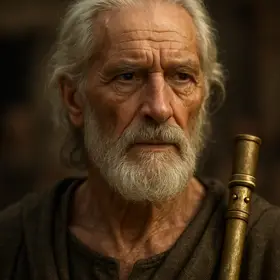 NestorWe first meet Nestor in Pylos, where he’s the seasoned king hosting a coastal sacrifice and welcoming Telemachus with old-world hospitality. He matters because he’s a living archive of the Trojan days—calm, courteous, and ready with names, memories, and hard-won advice about Odysseus and the road ahead.
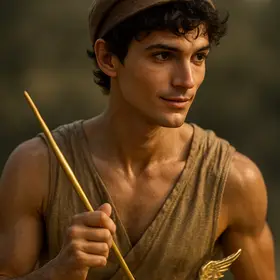 HermesWe first meet Hermes as the gods’ swift messenger, dropping from the sky to a remote island to deliver Zeus’s orders and nudge the story back into motion. He’s quick-witted, good-humored, and clearly on the side of travelers, the one who can cross any boundary and get things unstuck.
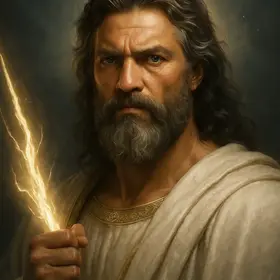 ZeusWhen we first meet him on Olympus, he’s the steady king of the gods, weighing what’s fair while the others argue. He reminds them that mortals cause many of their own troubles, then listens to Athena and sets the tone for how Odysseus’s situation might finally start to budge.
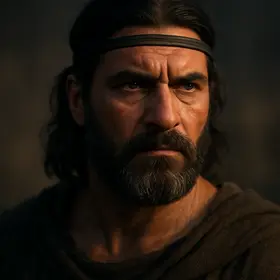 AgamemnonWhen we first hear of Agamemnon in The Odyssey, he’s the high king of Mycenae and the famed commander who led the Achaeans at Troy. He matters because his story is held up to Telemachus as a powerful example of what can await a household and a returning warrior, and because his name still carries the weight of command among those who knew him.
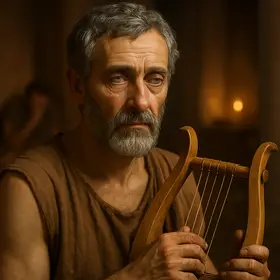 DemodocusWe meet Demodocus in the hall of King Alcinous as the esteemed blind singer everyone hushes to hear. He performs heroic lays of the Trojan War with such skill that the incognito guest at the feast quietly covers his face, and the Phaeacians honor the bard with the best seat and rich food.
 ArgosArgos is Odysseus’s old hunting dog, left back on Ithaca, now lying neglected near the palace while the household’s gone downhill. He matters because he’s pure loyalty on four legs—the kind of companion who still knows his master and tells you everything about the state of home without a speech.
Study guide
Summaries and analysis of all 24 chapters, and profiles of 46 characters, illustrated with scenes from the book.
Themes
- Homecoming
- Cunning vs strength
- Hospitality
- Identity
- Loyalty
Why Read The Odyssey?
Read The Odyssey for a story that blends adventure with psychological insight: Odysseus’s travels are episodes of peril and wonder, but they also probe memory, craft, and the consequences of decisions made far from home.
Beyond its action, the poem presents vivid portraits—Penelope’s guarded intelligence, Telemachus’s coming of age, Athena’s interventions—and a dramatic view of how communities cope with absence and return. Its episodic pace and memorable set pieces have shaped storytelling for millennia, and it remains a rich source of moral ambiguity, narrative invention, and unforgettable scenes that reward readers who enjoy myth, character-driven drama, and the roots of Western literary tradition.
Experience The Odyssey on Book2Life
Read with AI-generated visuals, character portraits, audio narration, smart summaries, and more — free in your browser and on iPhone.