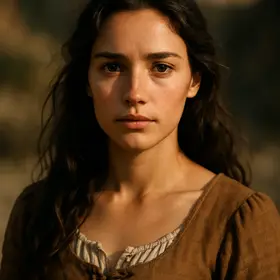
Dorotea in Don Quixote
Major character
A resourceful, virtuous young woman who disguises herself as Princess Micomicona to secure justice and restore honour.
Who is Dorotea?
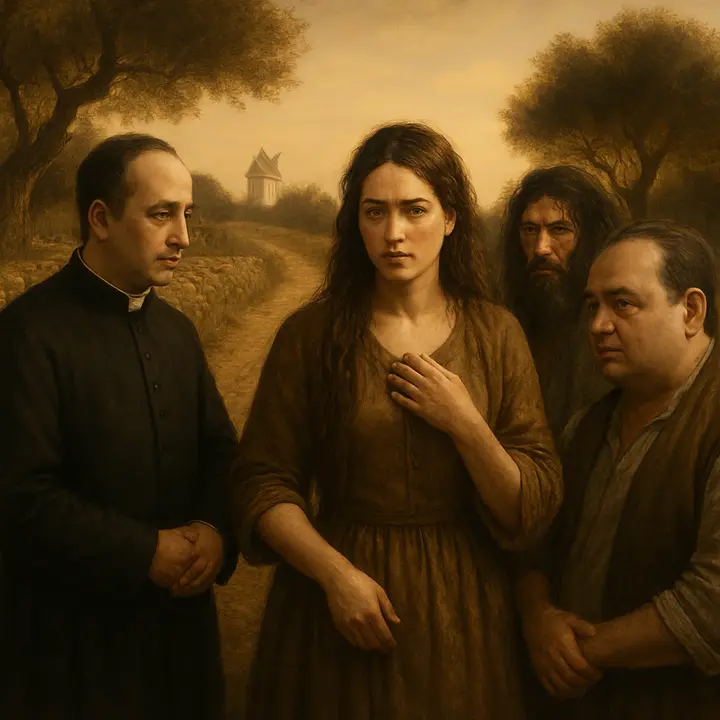
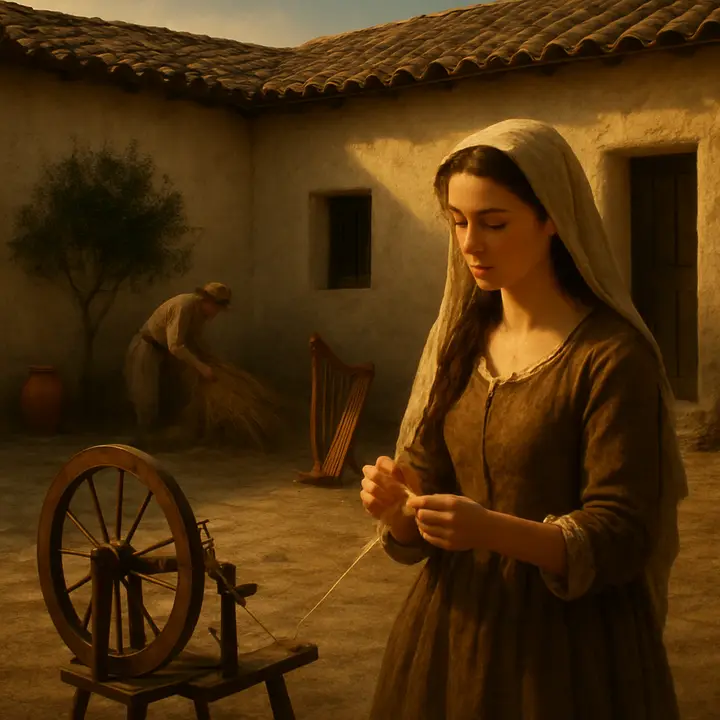
Dorotea is a noble-minded young woman who has been wronged by Don Fernando: he courts her, gives a ring, then publicly professes another betrothal, leaving her shamed and driven into exile. Fleeing assaults and persecution, she survives as a herdsman’s helper and hides in the mountains, where the curate, the barber, and Cardenio find her. Determined to reclaim her reputation and force Don Fernando to honour his obligations, she adopts a theatrical disguise as the Princess Micomicona and invents an elaborate tale of a usurped kingdom and a threatening giant to enlist Don Quixote’s chivalric zeal. Her quick wit and theatrical prowess manipulate the beliefs of Don Quixote and the hopes of Sancho, securing active help for her cause. Throughout the episodes at inns and on the road she consoles others, organizes the ruse with practical detail, and repeatedly reminds Don Quixote and his companions of practical priorities when idealism falters. Dorotea’s actions weave together several plotlines and drive other characters to confront obligations of honour, compassion, and social responsibility.
In the book: Dorotea is a virtuous and resourceful young woman whose misfortunes intertwine with those of other travelers, drawing her into Don Quixote’s orbit. Clever and quick-witted, she adopts a disguise to steer events toward justice and reconciliation, and her presence helps knit together key storylines while highlighting themes of honor, agency, and compassion.
Personality
- resourceful
- She produces rich garments from her pillow-case and fashions the entire Princess Micomicona ruse to enlist Don Quixote’s aid (Ch. 29).
- virtuous
- She recounts her resistance to Don Fernando’s advances and explains how she fled shame, preferring exile to returning to her parents after dishonour (Ch. 28).
- theatrical
- She invents an elaborate history of exile and the giant Pandafilando and performs the role of a distressed princess to secure Don Quixote’s vow (Ch. 30).
- compassionate
- She comforts Clara about her secret lover and promises to try to arrange a favourable outcome by daylight (Ch. 43).
- quick-witted
- She calmly instructs others in the formal language and gestures needed to appeal to a knight and to sustain the deception (Ch. 29).
Character arc
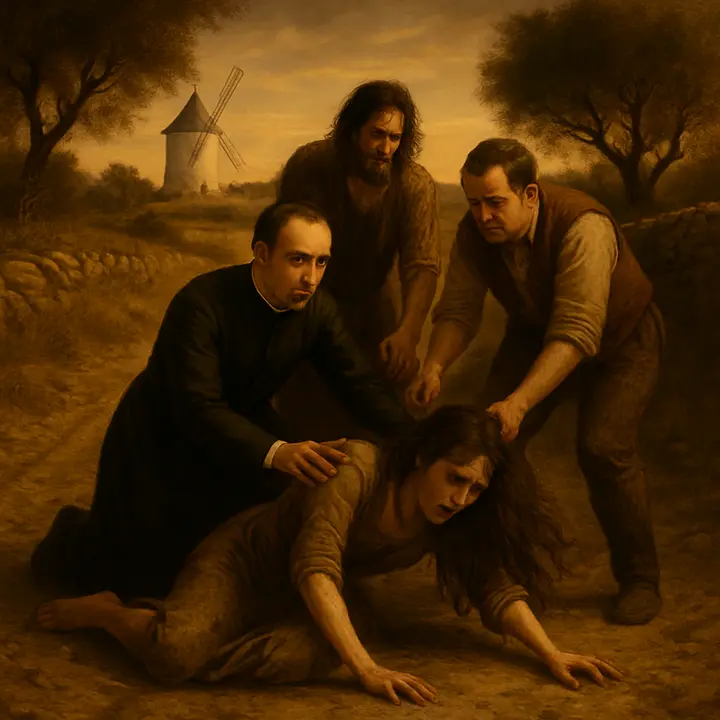
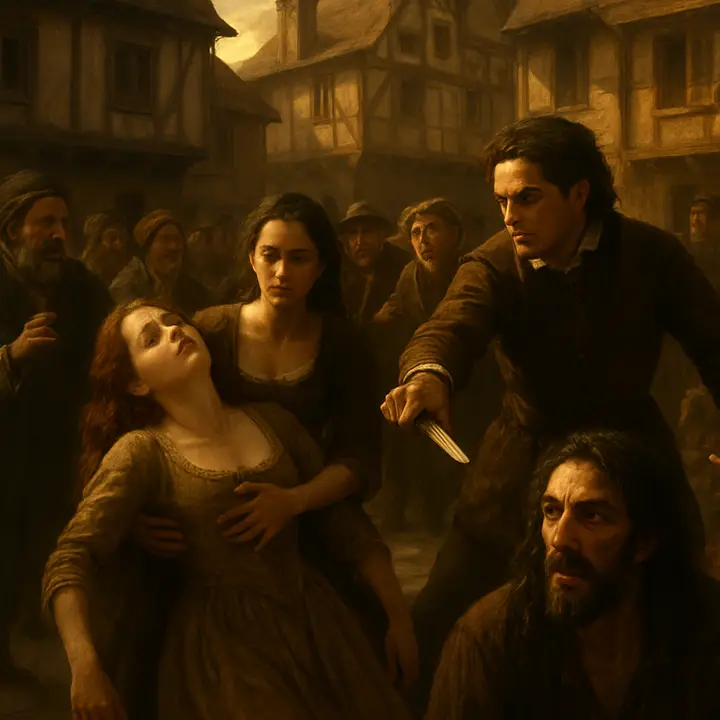
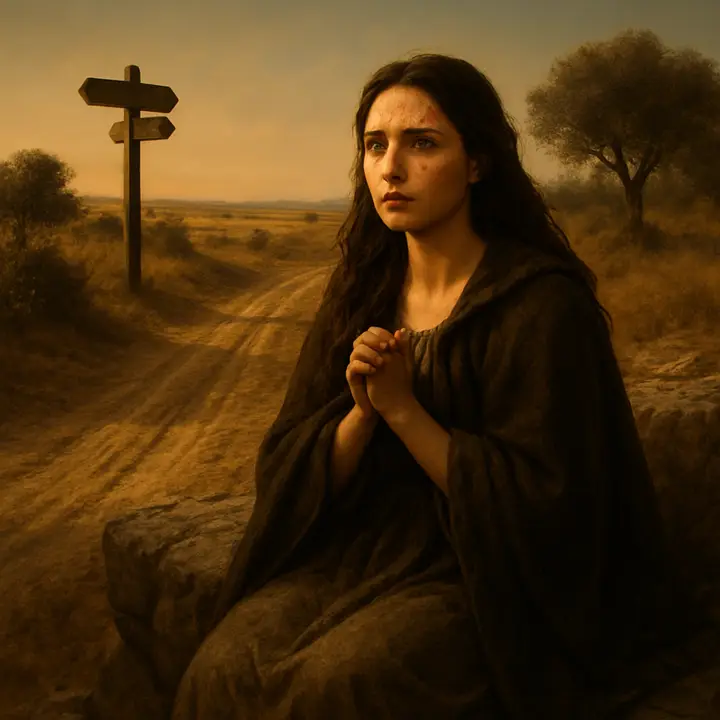
Dorotea first appears as a dishevelled, exile-like figure confessing a grievous wrong: she narrates how Don Fernando tricked and abandoned her and how she fled successive assaults and a life of disgrace (Ch. 28). Initially passive in flight and concealment, she quickly shifts into action when she meets the curate, the barber, and Cardenio: rather than wait for formal legal redress, she devises a bold plan to reclaim honour by playing a part that will rouse Don Quixote’s sense of duty (Ch. 29). As the Princess Micomicona, she refashions herself from victim to director—controlling narrative, costume, and rhetoric to mobilize others (Ch. 30). She uses performance and persuasion rather than direct accusation to pursue justice, and her involvement brings together scattered storylines (Chs. 31–32). Throughout the inn episodes and travels, she remains steady: soothing frightened companions, keeping the ruse coherent, and reminding Don Quixote of priorities when incidents (like Andrés’s account) reveal the imperfect effects of knightly interventions (Chs. 31, 35, 43). By the later travel scenes she retains agency and moral firmness, sustaining the plan that will press Don Fernando and others to face obligations while revealing both the power and limits of theatrical means to secure real restitution (Ch. 47).
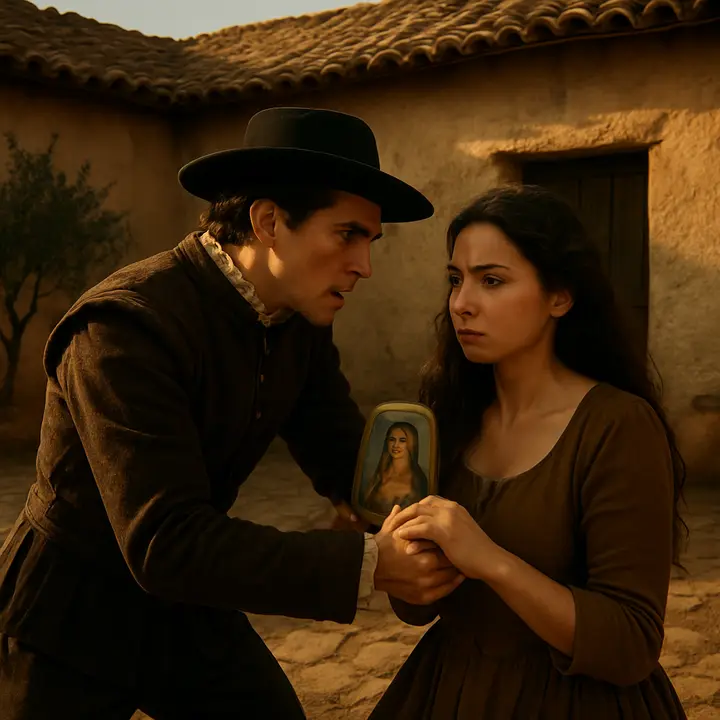
Dorotea in pictures
Relationships
- Don Quixote She manipulates his chivalric fervour by posing as Princess Micomicona to secure his pledge to help her cause (Chs. 29–30).
- Sancho Panza Sancho admires and praises her, imagines rewards for serving her, and she calms him when quarrels and disappointments arise (Chs. 29–31, 35).
- Cardenio Cardenio recognizes kinship in their wrongs and pledges to serve and press Don Fernando to recognise obligations toward Dorotea (Ch. 29).
- Don Fernando He is the man who wooed and swore to Dorotea but then publicly betrothed another, the source of her dishonour and the target of her quest for justice (Ch. 28).
- The Priest The curate provides shelter, practical assistance, and helps orchestrate the disguise and performance that enable Dorotea’s plan (Chs. 28–30).
- The Barber The barber collaborates in the ruse, accompanies Don Quixote to witness its effects, and helps manage props and comic incidents that sustain the deception (Chs. 29–32).
Quotes by Dorotea
“O God! is it possible I have found a place that may serve as a secret grave for the weary load of this body that I support so unwillingly?”
Chapter 28Her opening lament draws the Priest and Barber to find her hidden and prompts the confidential recounting of her misfortunes.
“I was the mirror in which they beheld themselves, the staff of their old age, and the object in which, with submission to Heaven, all their wishes centred, and mine were in accordance with theirs, for I knew their worth;”
Chapter 28Dorotea describes her privileged role in her parents' household to explain how, despite wealth and caretaking, her humble birth leaves her exposed to dishonor.
“Such, sirs, is the true story of my sad adventures; judge for yourselves now whether the sighs and lamentations you heard, and the tears that flowed from my eyes, had not sufficient cause even if I had indulged in them more freely; and if you consider the nature of my misfortune you will see that consolation is idle, as there is no possible remedy for it.”
Chapter 29Dorotea explains her shame and asks for a place to live unrecognized; this opens the scene and elicits pity and offers of help.
Why Dorotea matters
Dorotea embodies the book’s concern with honour, agency, and the power of narrative. By inventing a noble identity and steering Don Quixote’s fantasy toward practical redress, she shows how storytelling can be both ethical strategy and social instrument. Her virtue and resourcefulness complicate simple ideas of victimhood: she refuses passive resignation and instead reclaims control through wit and performance. In doing so she highlights Cervantes’s theme that appearance and reality intermix—narrative can correct injustice even as it manipulates perception—and she forces other characters to confront obligations of honour, mercy, and responsibility.
Chapters with Dorotea
More Don Quixote characters
 Don QuixoteProtagonist
 Sancho PanzaMajor character
 Dulcinea del TobosoMinor character
- RRocinanteMajor character
 The DukeMajor character
- DDappleMinor character
 The BarberMajor character
 Cide Hamete BenengeliNarrator
All chapter summaries ›Characters ›
Read Don Quixote illustrated
Every scene in these notes comes from the Book2Life reader, where the full public-domain text is illustrated as you read, with character portraits and narration. Free in your browser and on iPhone.
