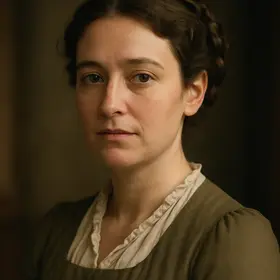
Charlotte Lucas in Pride and Prejudice
Major character
Elizabeth Bennet’s sensible, pragmatic friend who marries Mr. Collins to secure her comfort and social stability.
Who is Charlotte Lucas?
Charlotte Lucas is Elizabeth Bennet’s intimate friend from Lucas Lodge who values security over romance. She listens to Longbourn gossip about Netherfield and Bingley, tolerates Mr. Collins’s obsequious courtship, and ultimately accepts his proposal as a pragmatic solution to the limited prospects available to a woman of her position. Charlotte hosts Elizabeth briefly after her visit to Hunsford, maintains outward cheer in correspondence, and fulfills the domestic responsibilities of Mrs. Collins at the parsonage near Rosings. Her conduct and choices provoke Elizabeth’s puzzlement and distress, yet Charlotte calmly defends her priorities when explaining her motives. Throughout the narrative threads in these chapters, Charlotte’s decisions and comportment provide a steady contrast to Elizabeth’s romantic ideals and open a window onto the social and economic pressures that govern marriage choices for women in their social milieu.
In the book: Charlotte Lucas is Elizabeth Bennet’s close friend and a clear-eyed, pragmatic foil to Elizabeth’s wit and romantic ideals. As the daughter of a modestly connected family, she views marriage chiefly as a practical safeguard, and her choices spotlight the economic and social pressures shaping women’s lives in the Regency era. Through Charlotte, the novel contrasts affection-driven hopes with the realities of reputation, security, and social expectation, deepening its exploration of how people navigate love and livelihood.
Personality
- Pragmatic
- She accepts Mr. Collins’s proposal almost immediately, explaining plainly that she has never been romantic and wants a comfortable home (Chapter 22).
- Composed
- She greets Elizabeth and Jane with calm composure at the parsonage and bears Mr. Collins’s officiousness without visible complaint (Chapter 28).
- Diplomatic
- In letters to Elizabeth and in conversation she praises Rosings and Lady Catherine politely, smoothing over awkward truths about her marriage (Chapter 26).
- Practical-minded
- She tolerates Mr. Collins’s attentions during his visits at Lucas Lodge, encouraging the match to secure her future (Chapter 22).
- Steady
- She establishes a settled household at Hunsford and manages domestic routine calmly while Elizabeth observes from the parsonage (Chapter 30).
Character arc
Charlotte remains consistent from her first appearances through the end of the provided chapters: she begins as Elizabeth’s sensible, non-romantic friend who listens to Longbourn’s news and observations (Chapter 5). When Mr. Collins courts Elizabeth and then quickly transfers his attentions, Charlotte quietly sees the opportunity such a match offers and acts to secure it (Chapters 20–22). Her acceptance of Collins surprises and distresses Elizabeth, but Charlotte articulates her motives plainly, prioritizing material security and societal respectability. After her marriage she settles into the parsonage, cultivates good relations with Lady Catherine and Rosings, and writes cheerful, measured letters that present her situation favorably (Chapters 26–30). She neither repents nor seeks to romanticize her choice; instead she adapts to her role as Mrs. Collins, managing her household and husband’s officiousness with equanimity. Later, she visits Longbourn during the fallout of Lydia’s elopement and endures the social turbulence of Lady Catherine’s controversy, remaining a steady, practical presence amid family drama (Chapters 39–61). Her arc is one of resolution and acceptance rather than transformation: she chooses security and sustains it.
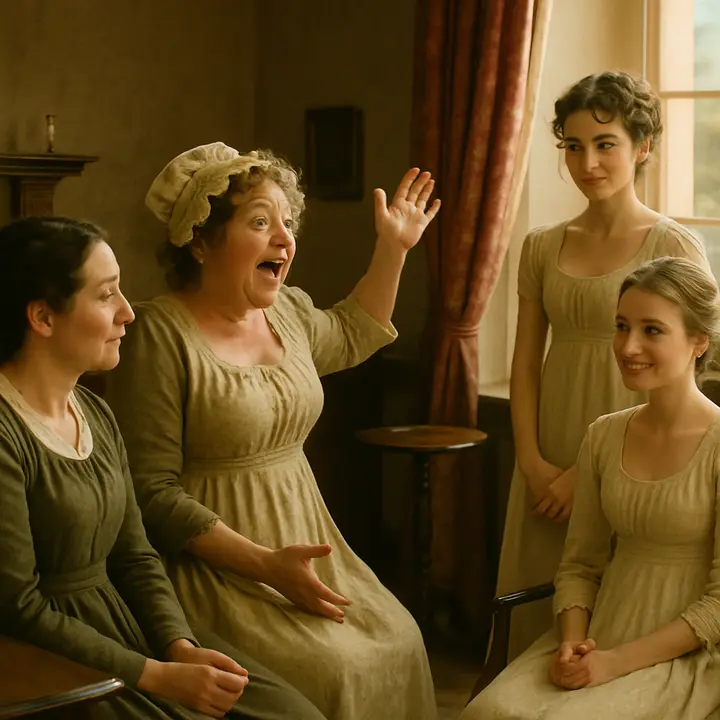
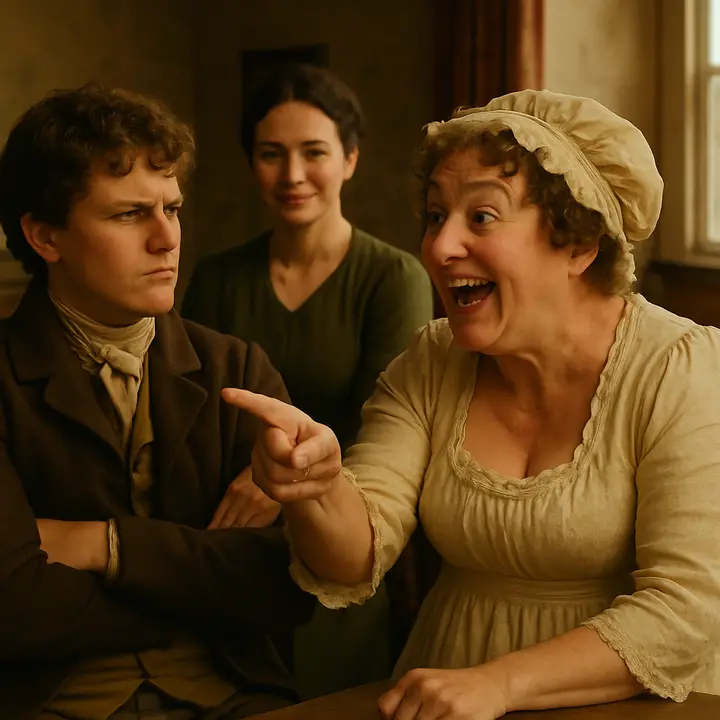
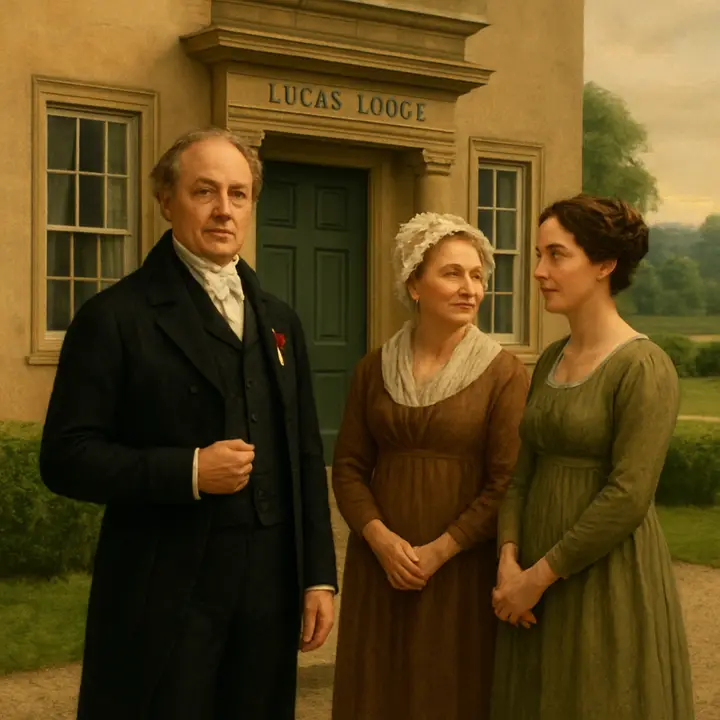
Charlotte Lucas in pictures
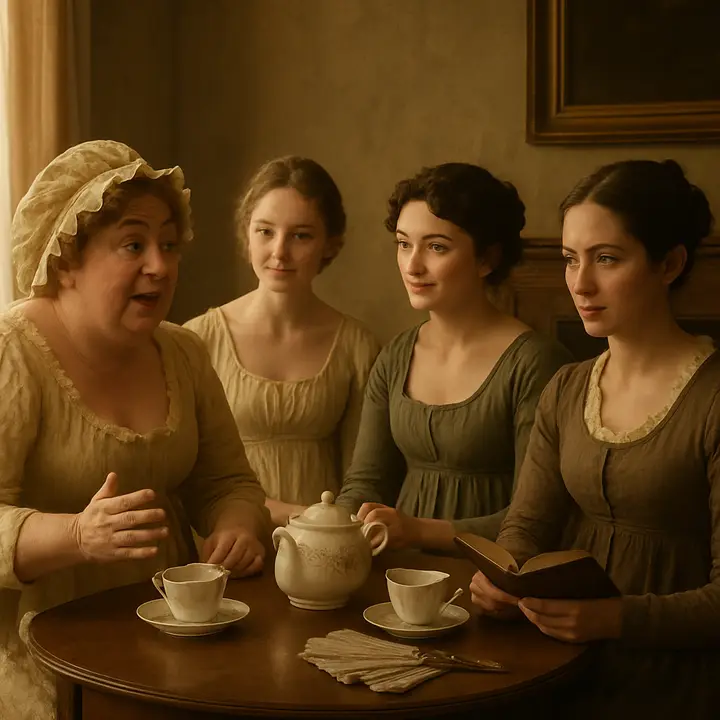
Relationships
- Elizabeth Bennet Close friend and confidante whose puzzlement and moral disapproval contrast with Charlotte’s pragmatic choices.
- Mr. Collins Husband; she encourages and accepts his proposal to secure a comfortable household at the parsonage.
- Sir William Lucas Her father, who enjoys the social advantages of Charlotte’s advantageous marriage and visits Hunsford in approval.
- Lady Lucas Her mother, who shares in the family pride and gossip surrounding Charlotte’s engagement.
- Lady Catherine de Bourgh Neighborly superior and patroness whose oversight and visits Charlotte negotiates through deference to preserve her household’s comfort.
- Maria Lucas Younger sister who accompanies visits and participates in the household life and company around Charlotte at Hunsford.
Quotes by Charlotte Lucas
“I am not romantic, you know. I never was. I ask only a comfortable home; and, considering Mr. Collins's character, connections, and situation in life, I am convinced that my chance of happiness with him is as fair as most people can boast on entering the marriage state.”
Chapter 22Charlotte explains her pragmatic reasons for marrying Mr. Collins, stating her practical view of marriage and security.
Why Charlotte Lucas matters
Charlotte embodies the novel’s examination of marriage as economic and social necessity as much as romantic choice. Her pragmatic acceptance of Mr. Collins exposes the limited options available to women without fortune and highlights how respectability, security, and social standing often outweigh affection. By contrasting Charlotte’s steady accommodation with Elizabeth’s insistence on mutual esteem, the book deepens its critique of social pressures and shows how different values shape women’s lives and compromises in the Regency social order.
Chapters with Charlotte Lucas
More Pride and Prejudice characters
 Elizabeth BennetProtagonist
 Jane BennetMajor character
 Mr. BingleyMajor character
 Mr. DarcyMajor character
 Mrs. BennetMajor character
 Mr. BennetMajor character
 Lydia BennetMinor character
 Mr. CollinsMajor character
All chapter summaries ›Characters ›
Read Pride and Prejudice illustrated
Every scene in these notes comes from the Book2Life reader, where the full public-domain text is illustrated as you read, with character portraits and narration. Free in your browser and on iPhone.
