Thisbe in A Midsummer Night's Dream
Minor character
The doomed lover in the mechanicals’ amateur play, performed by Francis Flute as part of the Pyramus and Thisbe interlude.
Who is Thisbe?
Thisbe exists primarily as a fictional lover within the mechanicals’ stagepiece, The Most Lamentable Comedy and Most Cruel Death of Pyramus and Thisbe. She is assigned by Peter Quince as the female half of the tragic pair; the role is reluctantly accepted by Francis Flute, who objects to playing a woman because of his beard. In rehearsal the character’s needs (a convincing wall, a moon, a safe ‘lion’) generate comic problem-solving among the tradesmen. Onstage at Theseus’s palace the role becomes a vehicle for farce: the sensual, sorrowful lover of the original myth is rendered by rustic, overblown acting, literal props, and clumsy staging. Thisbe’s scripted death and reunion with Pyramus are played for laughter rather than pathos, and her part helps expose the gap between the tragic ideal and the players’ earnest but bungling performance. Though she never acts outside the play-within-the-play, Thisbe’s presence drives much of the mechanicals’ comic energy and highlights their desire to please the court and to participate in civic celebration.
Personality
- Romantic
- Her role is defined as one half of the tragic lovers, Pyramus and Thisbe, whom the mechanicals prepare to present at the Duke’s wedding.
- Theatrical
- Her death and reunion scenes structure the mechanicals’ rehearsal and the final performance, requiring elaborate staging like a ‘wall’ and a moon.
- Instrumental
- She exists chiefly to prompt the tradesmen’s comic problem-solving (casting, props, and a prologue to avoid frightening the ladies).
- Burlesqued
- In the palace performance the tragic elements of Thisbe’s story are rendered ludicrous by literal props and butchered delivery, turning pathos into comedy.
Character arc
Thisbe’s ‘arc’ is that of a fictional role enacted within the play: she is announced in the players’ casting conference, rehearsed amid fumbling attempts to realize theatrical effects, and finally performed for the court as part of a deliberately inept tragedy. At first she is an idea on Quince’s scroll and a source of anxiety for Flute, who protests the feminized part because of his beard; during the woods rehearsal the practical demands of staging Thisbe’s scenes (walls, moonlight, keeping ladies calm) dominate discussion and reveal the players’ earnest ambitions and limitations. By the palace performance, Thisbe’s purported grief and death have been converted into comic spectacle—the audience laughs at the exaggerated sorrow and the mechanicals’ awkward literalism. She does not change as a character, because she is a text enacted by others, but the audience’s perception of her shifts from supposed tragic heroine to emblem of the mechanicals’ affectionate incompetence.
Relationships
- Pyramus Thisbe is the lover and counterpart to Pyramus in the mechanicals’ enacted tragedy.
- Peter Quince Quince selects and directs the parts, assigning Thisbe’s role within the players’ production.
- Francis Flute Flute is the reluctant actor who must play Thisbe and objects to the part because of his beard.
- Nick Bottom Bottom plays Pyramus opposite Thisbe and his bombastic acting heightens the play’s comic contrast with her tragic lines.
- Theseus Theseus provides the audience for the mechanicals’ performance in whose presence Thisbe’s tragedy is comically exposed.
- Philostrate As master of revels, Philostrate helps arrange entertainments that include the mechanicals’ presentation of Thisbe’s story.
Why Thisbe matters
Thisbe functions as a mirror for the play’s themes about theatrical artifice, appearance versus reality, and the social value of performance. As a rehearsed text rather than an autonomous figure, she reveals how earnest intention and limited skill produce comic effect; the gap between the mythic lover she represents and the mechanicals’ bumbling enactment underscores how storytelling is reshaped by class, craft, and context. Her presence also supports the larger celebratory frame—wedding, blessing, and communal play-acting—showing how theater can transform private sorrow into public amusement and civic bonding.
Chapters with Thisbe
More A Midsummer Night's Dream characters
 DemetriusMajor character
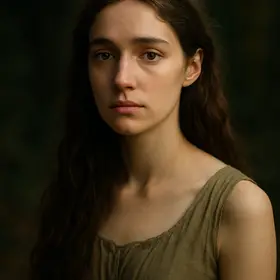 HelenaMajor character
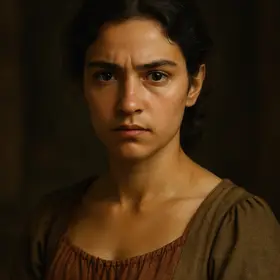 HermiaMajor character
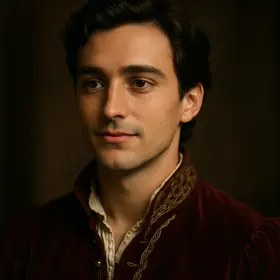 LysanderMajor character
 PuckMajor character
 OberonMajor character
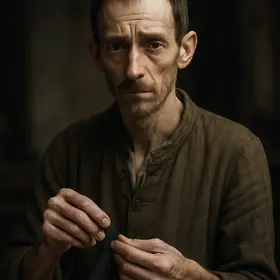
 Peter QuinceMajor character
 Robin StarvelingMinor character
All chapter summaries ›Characters ›
Read A Midsummer Night's Dream illustrated
Every scene in these notes comes from the Book2Life reader, where the full public-domain text is illustrated as you read, with character portraits and narration. Free in your browser and on iPhone.
Read A Midsummer Night's Dream free
